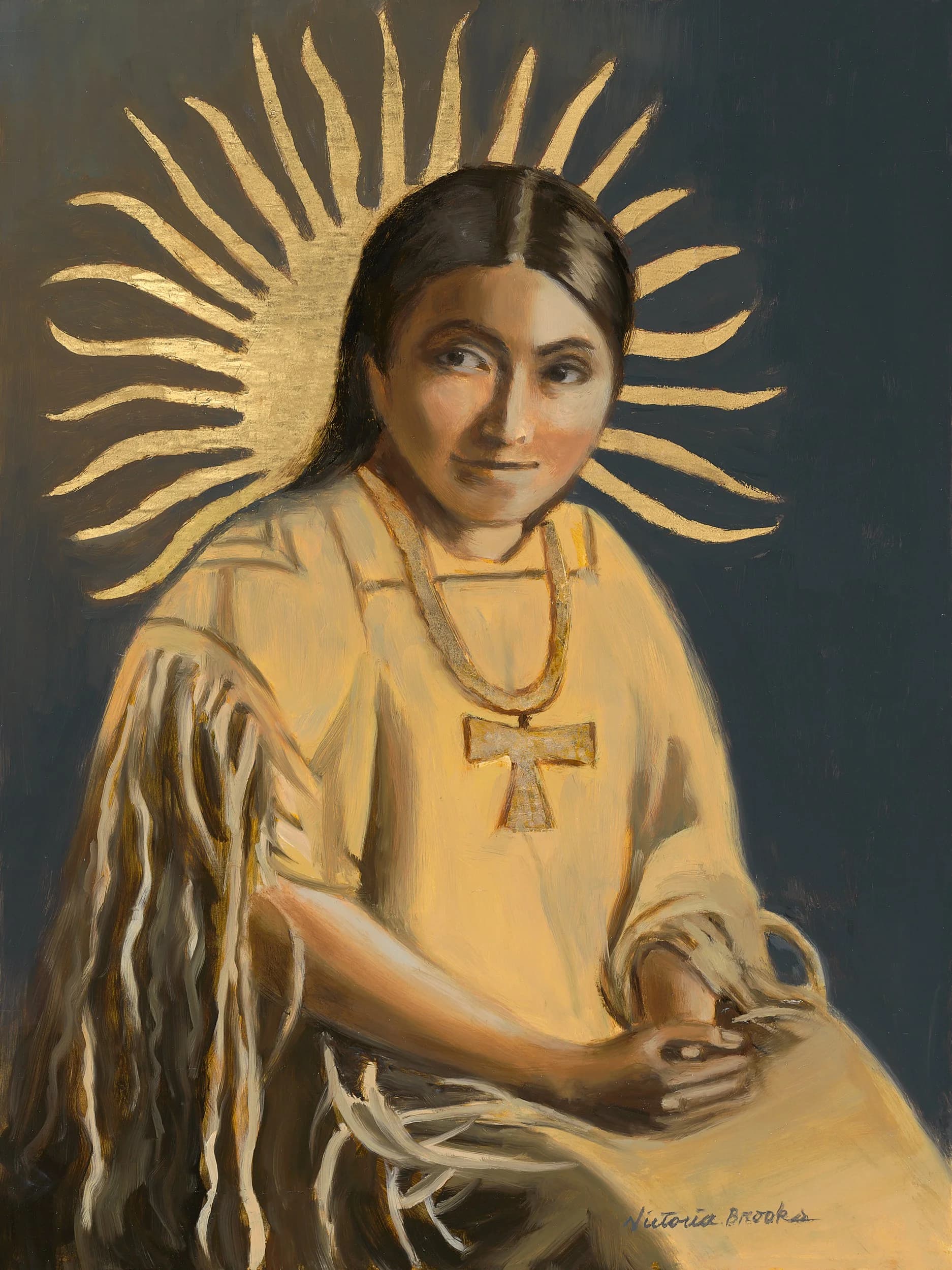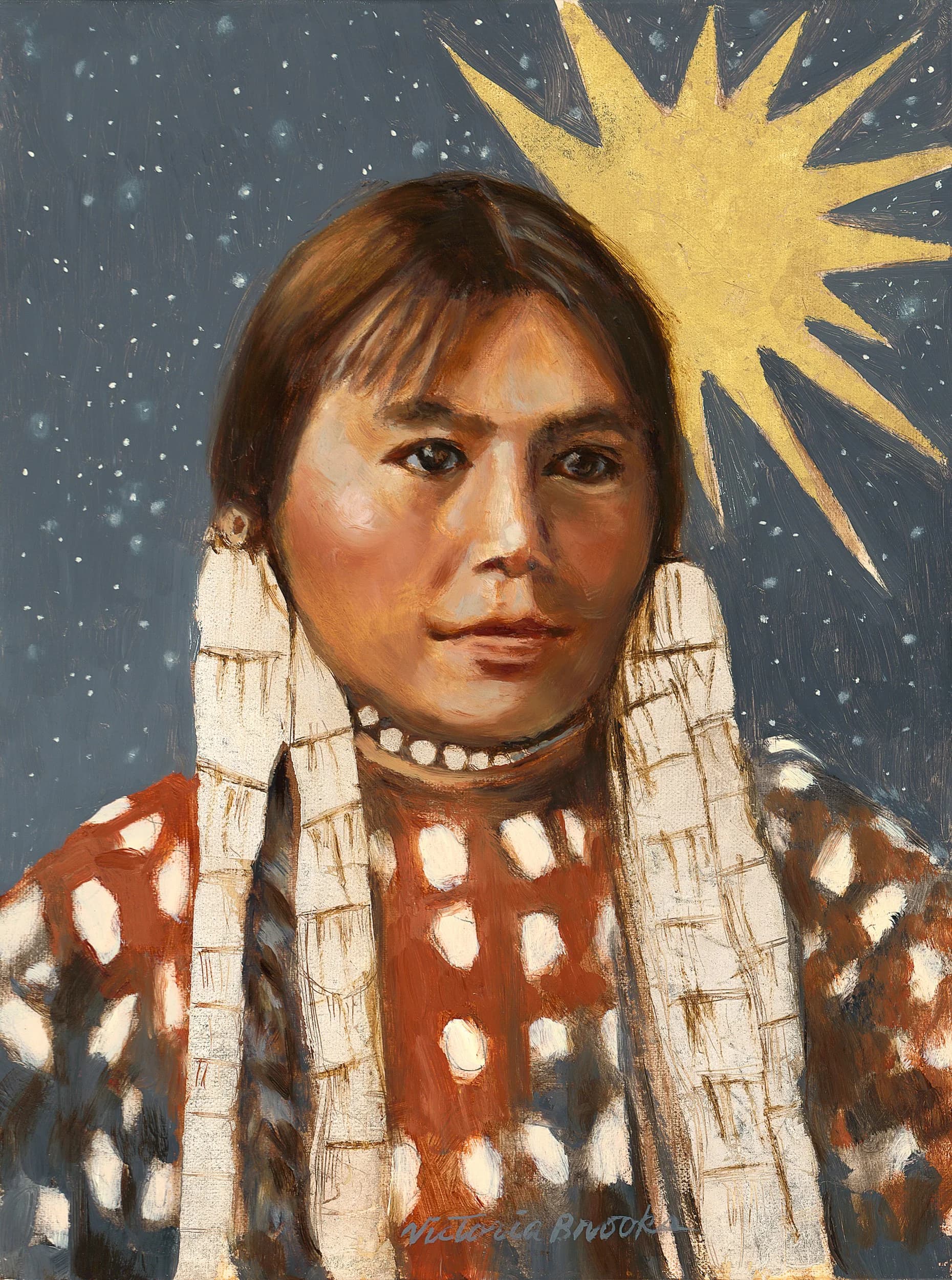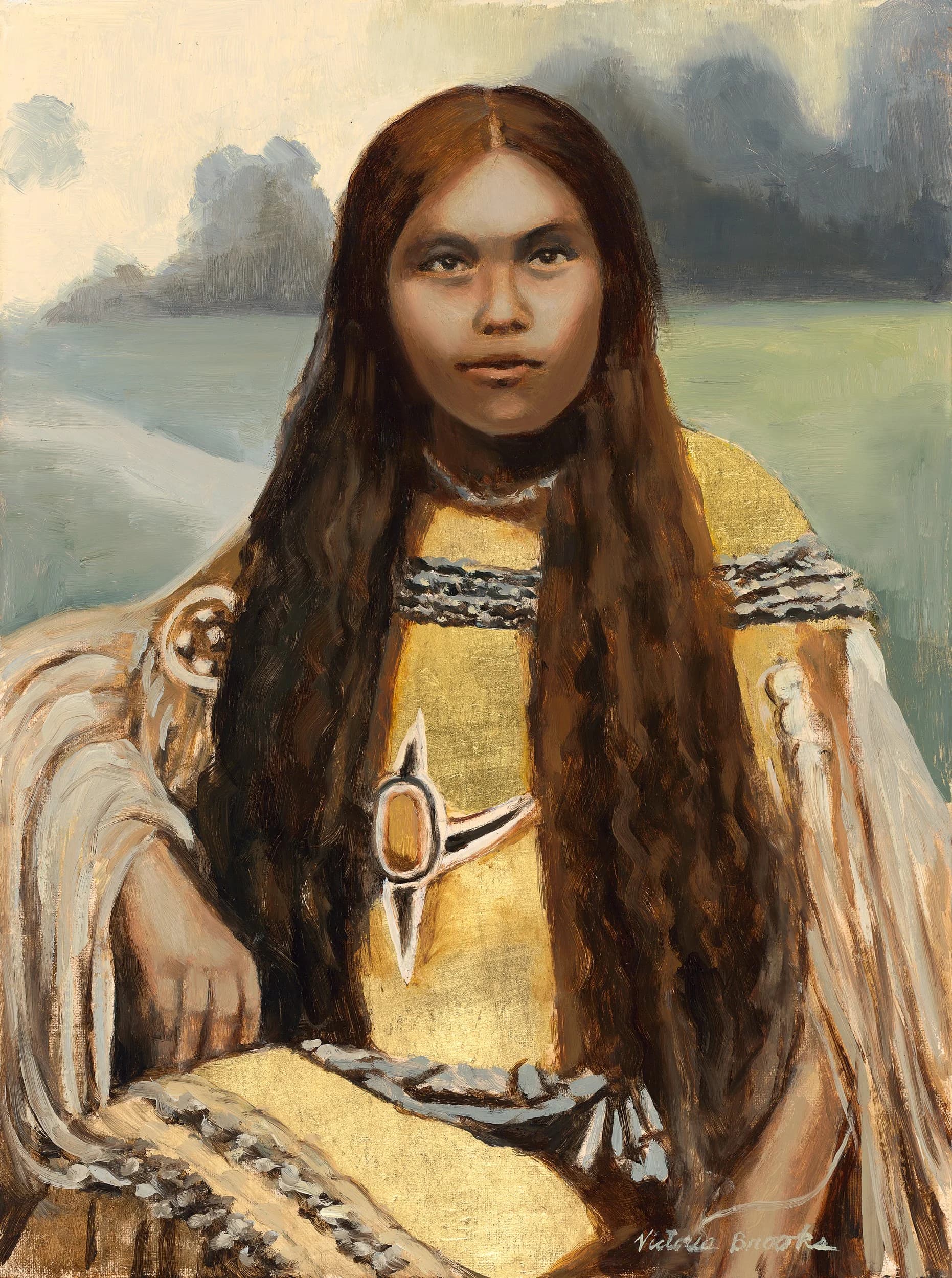
Chiricahua Apache, of Chihenne (Warm Springs) descent
Elsie Vance Chestuen
1873 – 1898
Elsie Vance Chestuen was born in 1873; Chestuen was her Apache name, and genealogists of the Chiricahua families record her as a granddaughter of Victorio — Bidu-ya — the great Chihenne, or Warm Springs, leader, through his daughter Dilth-cley-ih. Her mother later married Mangus, a son of Mangas Coloradas, which placed Elsie inside the tight weave of leading Chiricahua families. She was a girl during her people's last free years, and thirteen in 1886 when the United States shipped the entire Chiricahua people — those who had fought and those who had scouted for the army alike — into captivity in Florida as prisoners of war.
From Fort Marion in St. Augustine, where the Chiricahua were held, the government took the children. Elsie entered the Carlisle Indian Industrial School in Pennsylvania on November 4, 1886, listed among a documented group of thirty-seven Chiricahua prisoner-of-war students; the school's papers enroll her as Elsie Vanci and also carry her as Elsie Vance and Ches-tu-en. Tuberculosis moved through Carlisle's Apache students with terrible speed in those years. She departed the school on May 30, 1889, returning not home — there was no home to return to — but to her imprisoned relatives.
The Chiricahua prisoners were moved from Florida to Mount Vernon Barracks in Alabama, then in 1894 to Fort Sill, Oklahoma Territory, still counted as prisoners of war — a status the people bore for twenty-seven years, until 1913. It was at Fort Sill that Elsie's short life ended: records compiled by descendants give April 15, 1898, of tuberculosis, the disease that killed a devastating share of the Chiricahua in captivity, the young most of all. She was about twenty-five. Her grave is recorded at Fort Sill, among the Apache prisoner-of-war burials there.
The surviving photograph of her is usually captioned as made at Fort Sill during the imprisonment; whoever stood behind the camera did not sign the work. In it she is a young woman in the plain dress of the prison-camp years, looking straight at the lens. Nearly everything around her — homeland, liberty, time — had been taken, and the portrait, like the school ledgers that respelled her name, was made by the taking side. That her name, lineage and dates survive at all is largely the work of Chiricahua descendants and researchers who refused to let them go.
The Photograph
- Photographer
- Unrecorded
- Year
- c. 1890s
- Collection
- Widely circulated archival print; student and prisoner-of-war records at the National Archives via the Carlisle Indian School Digital Resource Center
The surviving portrait is usually captioned as taken at Fort Sill, Oklahoma Territory, during the Chiricahua prisoner-of-war years; the photographer's name was not preserved.